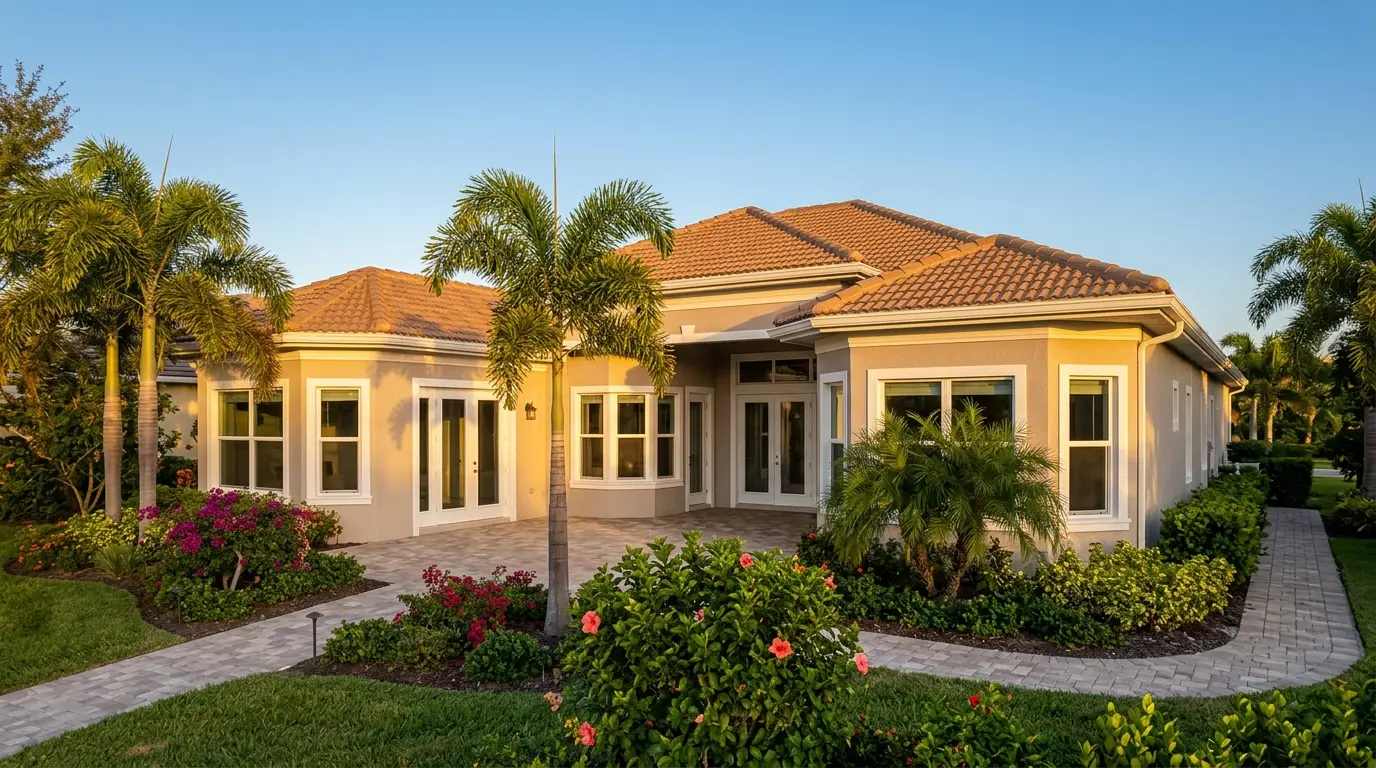
What Southwest Florida property owners should know first
A property owner considering interior & exterior for luxury homes can easily focus on the final color while missing the decisions that determine whether the work looks deliberate and performs as expected. The useful answer is not a single square-foot price. A dependable scope has to account for access, surface condition, preparation, occupied-space protection, coating choice, and finish expectations.
This is especially relevant for Southwest Florida properties, especially luxury homes. The local setting affects light, moisture, access, weather windows, and the way a finished surface is used. The goal is not to make the project more complicated. It is to identify the few conditions that truly change the recommendation before materials are ordered or a schedule is promised.
The decision hidden inside this project
Price changes when the scope changes. Surface area is only the starting measurement. Ceiling height, access, number of colors, trim complexity, occupied-space protection, repairs, adhesion problems, coating removal, primer needs, application method, cure windows, and daily reset requirements all affect labor and materials.
A lower total may exclude preparation, doors, closets, ceilings, repairs, moving contents, protection, or a finish layer included elsewhere. A higher total is not automatically better either. The fair comparison is line by line: exactly which surfaces are included, what condition they are assumed to be in, what preparation is specified, and what happens if concealed failure is discovered.
Without an inspection, a precise figure can create a false expectation. A useful early conversation establishes the project boundaries and likely cost drivers. The written estimate should then record inclusions, exclusions, assumptions, products or performance categories, protection, cleanup, schedule dependencies, and change procedures.
Interior painting is a surface, light, and occupancy project
Interior color is only one part of the result. Drywall repairs, old patches, stains, prior sheen, trim condition, caulk joints, and existing coating compatibility influence what preparation is needed. The scope should also account for furniture, floors, window treatments, hardware, high ceilings, and how the household or business will use adjacent rooms during the work.
Sheen changes both appearance and maintenance. Higher sheen can improve washability in some systems, but it also reflects more light and may make surface irregularities easier to see. Flat or matte finishes can soften broad walls, while doors and trim often need a finish selected for handling and cleanability. Product-specific guidance still matters.
Southwest Florida interiors have their own moisture and light patterns
Air conditioning lowers indoor temperature but can create sharp differences between conditioned air and humid exterior air. Bathrooms, laundry areas, vents, and closed seasonal homes may develop localized condensation or mildew. Large windows and bright reflected light can also reveal patches, lap marks, and undertone shifts that are less obvious in a small sample.
Why the Southwest Florida setting changes the plan
For luxury homes in Southwest Florida, weather and exposure need to be read at the surface, not only in a forecast. Summer afternoons can move quickly from heat and strong sun to wind-driven rain. Shaded areas can remain damp after exposed walls appear dry. Application windows should account for surface temperature, moisture, dew, and the product’s current instructions.
Irrigation overspray, paver runoff, screened lanais, roof drainage, and canal or Gulf exposure create localized patterns. A lower wall repeatedly hit by sprinklers may age differently from the same coating under a deep overhang. Coastal air can leave salts on metal and adjacent surfaces. These details support targeted preparation rather than a single generic rule.
Reasonable options before committing to the full scope
The right response to “What a Detailed Painting Estimate Should Tell You Before Work Begins” is not automatically a complete repaint. The condition, desired finish, and practical limits determine which of the following paths is proportionate:
- Clean and monitor when the coating is sound and the issue is limited to removable soil or surface growth.
- Use a compatible touch-up or spot-prime a limited repair when color, sheen, and surrounding weathering allow a visually acceptable result.
- Repaint a full wall, elevation, room, cabinet section, or floor system when broader continuity and consistent performance are needed.
- Pause painting and correct active moisture, structural movement, failed components, or another trade-specific problem before coating work continues.
What a professional evaluation should document
A qualified evaluation should identify the substrate and existing coating, note visible failure and contamination, assess adhesion where appropriate, and record repairs or moisture symptoms. It should also consider access, protection, occupancy, adjacent materials, exposure, color and sheen goals, application constraints, curing, and the owner’s expectations for use.
The proposal should connect those observations to the recommendation instead of simply naming a product. Any community rule, manufacturer specification, project claim, or promised procedure should be verified before publication or contracting. If an assumption could materially change the scope, it should be written down rather than left for the first day of work.
Photographs can help document the starting condition, but they do not always reveal moisture, coating history, weak layers, or subtle surface contamination. When the cause of failure remains uncertain, a site visit and limited testing are more responsible than diagnosing from a distant image.
Questions to settle before the schedule is finalized
A clear scope should answer who makes final color and sheen decisions, who can approve a change, what contents remain in place, and which surfaces are excluded. The owner and contractor should also agree on access, alarms, pets, parking, work zones, restroom use, material storage, daily cleanup, and the method for documenting unexpected conditions.
Samples should be treated as decision tools, not decoration. A sample needs enough area to show undertone, texture, sheen, and coverage in the real setting. When a finish is being changed over an unknown coating, a test area can also reveal whether additional cleaning, abrasion, priming, or removal is necessary. Approval of a color does not by itself approve the surface standard or application method.
The schedule should distinguish working time from drying, curing, access, and return-to-use time. Humidity, temperature, ventilation, film thickness, substrate porosity, and product chemistry can change those intervals. Current product instructions and actual site conditions are more reliable than a universal promise made before the property is seen.
Exterior maintenance should focus on causes, not just appearance
After an exterior project in Southwest Florida, periodic observation is more useful than waiting for widespread failure. Watch lower walls near irrigation, shaded lanai corners, sealant joints, horizontal ledges, door bottoms, metal fasteners, and elevations that receive the strongest afternoon sun. Early cleaning or a limited repair may preserve a sound coating and reveal a drainage or moisture issue before it spreads.
Maintenance cleaning should use a method appropriate for the coating and substrate. Excessive pressure can damage sound paint, force water into joints, or mark softer surfaces. If staining repeatedly returns in the same place, the source should be investigated. Repainting over recurrence without addressing the cause usually postpones the same visible problem.
Build the recommendation from the property outward
A successful interior & exterior project in Southwest Florida begins by deciding whether the issue is cosmetic, coating-related, moisture-related, structural, logistical, or a combination. Then the scope can match the surface: clean what is sound, repair what belongs within painting preparation, refer underlying problems to the correct trade, test uncertain compatibility, and choose color and sheen in the property’s real light.
That approach also creates a better basis for future maintenance. The owner receives a finish selected for the actual use, a written record of what was included, and a clearer understanding of which conditions should be watched. It avoids treating every stain, crack, scuff, or color concern as the same problem, and it leaves room for a limited repair when a full repaint is not justified.
Final Detail Painting can evaluate the painting and coating portion of the project and explain the preparation, protection, finish, and scheduling variables that apply. The measured next step is to request a detailed consultation after the actual conditions and any association or building requirements are known.